
ai image for product photos and ad creatives becomes much easier to judge once you stop asking for a perfect abstract answer and start matching the workflow to a real use case. The fastest practical path is to use a tool or directory that removes the dead time, test one promising route first, and only expand after you see which scenario actually works. For genimg.org, that usually means starting from GenImg, moving into Pricing Plans, and using the rest of the site as a filter instead of treating every option as equally useful.
That framing is more useful than generic advice because readers are normally balancing speed, quality, and control at the same time. AI Image Generator - Create & Edit Photos with AI Online already signals the core product language we should pay attention to, while SillyTavern's Characters documentation and SillyTavern's Tags documentation reinforce the broader workflow choices that tend to separate a quick win from a messy setup. Readers deciding whether ai image for product photos and ad creatives fits a specific use case, workflow, or constraint.
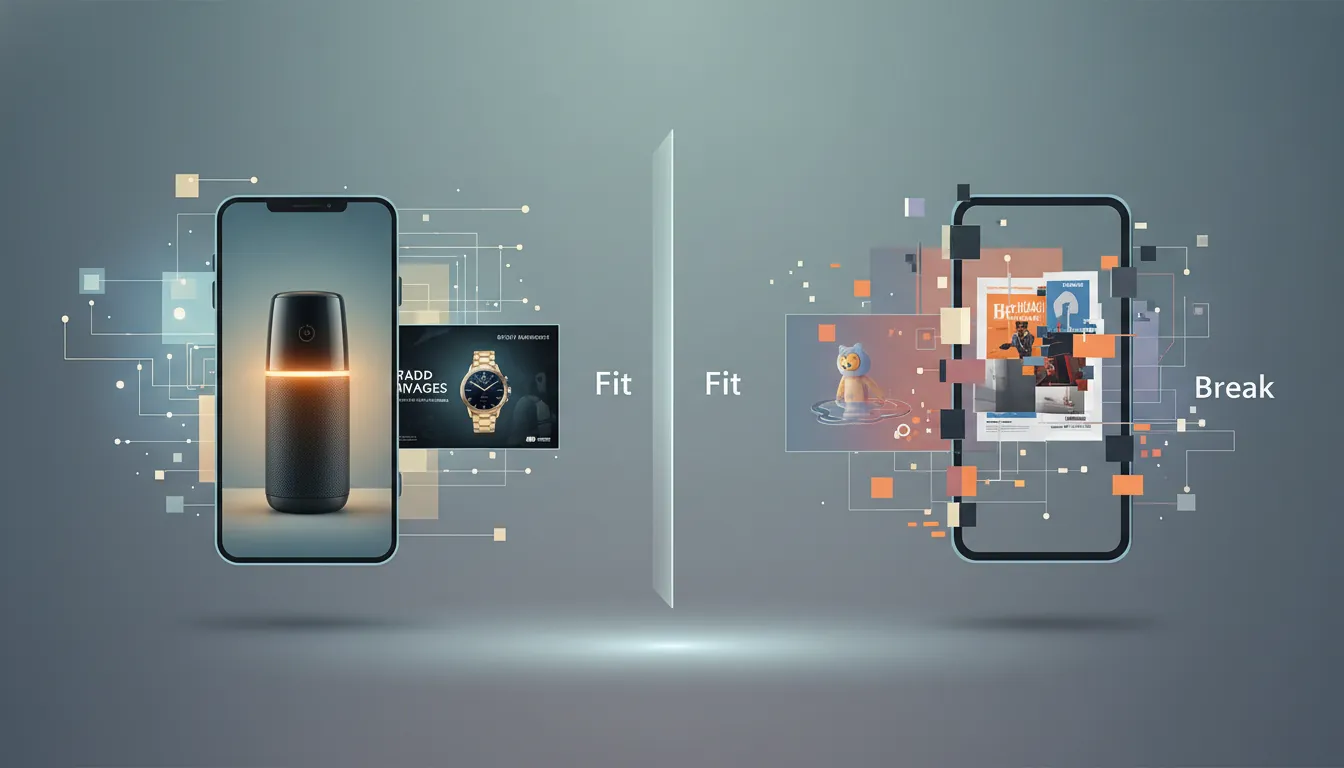
The safest way to read the rest of this article is to keep one question in mind: what would count as a useful first win in the next 15 minutes? That question keeps the workflow grounded and stops you from confusing interesting possibilities with a path you can actually repeat tomorrow.
Key Takeaways
- Use ai image for product photos and ad creatives for one narrow job first; judge the result before expanding the workflow.
- Start with GenImg, then use Pricing Plans only when it helps verify or refine the first path.
- Cover the real gap: Product-photo and ad-creative use cases are stronger conversion-adjacent spokes.
Start With the Creative Brief for AI Image for Product Photos and Ad Creatives
Explain why product, audience, offer, and channel should be defined before the prompt is written. For ai image for product photos and ad creatives, this section should make the reader's next decision more concrete instead of repeating the same broad promise. The useful details here are product category, target customer, offer angle, channel.
- Product: what is being shown or sold?
- Audience: who needs to understand the product quickly?
- Offer angle: what should the creative make obvious?
- Channel: where will the result appear first?
Brief Checklist
- Product Category: decide this before expanding the workflow.
- Target Customer: decide this before expanding the workflow.
- Offer Angle: decide this before expanding the workflow.
- Channel: decide this before expanding the workflow.
For extra context, use GenImg as the starting point and sanity-check the reasoning against SillyTavern's Characters documentation.
Prompt Variables That Change Product Photo Results
Break down the controllable prompt variables that most affect product-photo and ad-creative outputs. For ai image for product photos and ad creatives, this section should make the reader's next decision more concrete instead of repeating the same broad promise. The useful details here are lighting, background, composition, style.
- Lighting controls mood and product readability.
- Background controls distraction and brand fit.
- Composition controls what the viewer notices first.
- Style constraints keep outputs from drifting into generic imagery.
Checklist
- Lighting: decide this before expanding the workflow.
- Background: decide this before expanding the workflow.
- Composition: decide this before expanding the workflow.
- Style: decide this before expanding the workflow.
- Constraints: decide this before expanding the workflow.
The point is not to make ai image for product photos and ad creatives sound bigger. The point is to make the next action easier to judge.
Ad Creative Angles Worth Testing
Show hypothetical ad-angle examples without claiming real campaign performance. For ai image for product photos and ad creatives, this section should make the reader's next decision more concrete instead of repeating the same broad promise. The useful details here are benefit-led angle, problem-led angle, seasonal or offer-led angle. Avoid treating invented conversion rates, fake A/B test winners as proven facts unless the draft clearly frames them as hypothetical.
- Benefit-led example: show the product solving one clear task.
- Problem-led example: start with the friction the buyer wants removed.
- Offer-led example: make the promotion visible without inventing performance claims.
For extra context, use Free Credits as the starting point and sanity-check the reasoning against Purdue OWL's creative writing resources.
Where Prompt Generators Still Need Human Direction
Clarify limits around brand fit, legal claims, product accuracy, and final visual review. For ai image for product photos and ad creatives, this section should make the reader's next decision more concrete instead of repeating the same broad promise. The useful details here are brand fit, claim accuracy, review checklist.
- Check whether the result still matches the product truth.
- Remove unsupported claims before anything goes live.
- Compare the output against brand rules and channel policy.
The point is not to make ai image for product photos and ad creatives sound bigger. The point is to make the next action easier to judge.
A Simple Product Campaign Prompt Template
Give a reusable prompt structure readers can adapt for a product campaign. For ai image for product photos and ad creatives, this section should make the reader's next decision more concrete instead of repeating the same broad promise. The useful details here are product, audience, scene, style.
- Name the product and buyer.
- Define scene, lighting, angle, and background.
- Add brand or channel constraints.
- State what should be excluded from the output.
Prompt Template
- Goal: define the specific ai image for product photos and ad creatives outcome.
- Context: name the audience, channel, product, or constraint.
- Inputs: add the details the model should not guess.
- Output format: specify length, tone, and review criteria.
- Guardrails: list anything that should be avoided or double-checked.
The point is not to make ai image for product photos and ad creatives sound bigger. The point is to make the next action easier to judge.
FAQ
When Does AI Image for Product Photos and Ad Creatives Make Sense?
The fastest way to start with ai image for product photos and ad creatives is to choose one clear use case, use GenImg as the first path, and judge the first result before you expand the workflow. That keeps the evaluation grounded in a real task instead of a vague impression.
What Problem Does AI Image for Product Photos and Ad Creatives Solve?
Most readers need Pricing Plans or a similar second step because comparison reveals weaknesses faster than guessing does. The second step is where you learn whether the workflow still feels good after the novelty fades.
What Does a Practical AI Image for Product Photos and Ad Creatives Workflow Look Like?
The biggest mistakes with ai image for product photos and ad creatives are usually unclear goals, weak first inputs, and trying to scale the workflow before the first result is genuinely usable. When those mistakes stack together, people often blame the tool for a decision problem they never solved.
What Are the Main Limitations of AI Image for Product Photos and Ad Creatives?
Yes, ai image for product photos and ad creatives can be beginner-friendly when you keep the first session narrow, test one scenario at a time, and keep only the steps that make tomorrow's run easier. Simplicity is not a limitation here. It is what makes the workflow repeatable.
How Do You Know If AI Image for Product Photos and Ad Creatives Is the Right Fit?
The first thing to learn about ai image for product photos and ad creatives is not every advanced feature. It is how to recognize one usable result quickly. A short loop across GenImg, Pricing Plans, and Free Credits teaches that faster than a large unfocused experiment.
Final Take and Next Step
The practical answer to ai image for product photos and ad creatives is not to chase the biggest promise. It is to choose the path that gives you one clean, testable win first and then earns the right to become part of a larger workflow.
If you want that faster decision loop, start with GenImg, validate the result through Pricing Plans, and only scale the process once the first outcome is clearly worth repeating. That is how ai image for product photos and ad creatives stays useful instead of turning into another idea you never operationalize.
A small, reliable loop beats a larger but shakier one. Once the first loop is stable, expansion becomes a choice instead of a rescue mission.